
Stone Crusher Plant Price: Latest Rates and Cost Guide
By:Admin
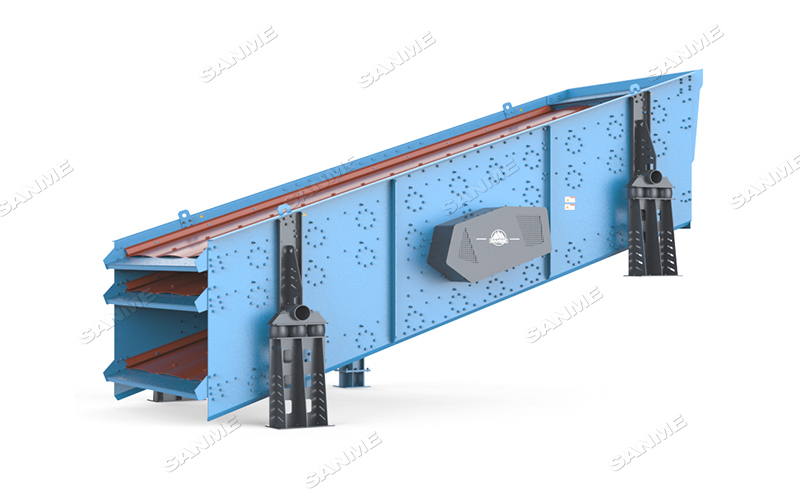
The demand for stone crusher plants has continued to rise steadily, driven by increasing infrastructure development and the growing need for construction materials globally. Recent market trends indicate a shift in stone crusher plant prices, influenced by factors such as technological advancements, raw material costs, and regional manufacturing capacities. This article delves into the current price trends of stone crusher plants and offers insights into the industry’s trajectory, supported by an overview of a leading company’s profile.
**Current Trends in Stone Crusher Plant Pricing**
The stone crusher plant plays a crucial role in the mining and construction sectors, offering solutions to crush large stones into smaller pieces suitable for various applications such as road construction, building foundations, and concrete production. As infrastructure projects multiply worldwide, the requirement for efficient and cost-effective stone crushing equipment has soared.
Prices for stone crusher plants vary significantly depending on the capacity, configuration, and technology used. Small-scale plants priced at entry-level can cost between $30,000 to $50,000, suitable for small quarry operations or rural construction projects. Mid-range stone crusher plants, which offer improved automation and higher output capacities, typically range from $60,000 to $120,000. At the high end, advanced plants equipped with automation systems, energy-efficient motors, and heavy-duty components can command prices upwards of $150,000.
Several key factors impact the pricing of stone crusher plants:
1. **Technological Innovation:** Newer models incorporate smart controls, remote monitoring, and energy-efficient motors, increasing upfront costs but reducing operational expenses in the long term.
2. **Raw Material Costs:** The price and availability of steel and other components influence manufacturing costs. Recent fluctuations in global metal prices have had a direct impact on stone crusher plant pricing.
3. **Regional Manufacturing and Assembly:** Plants manufactured in regions with established heavy machinery industries tend to have competitive pricing due to economies of scale and local sourcing benefits.
4. **Customization and Capacity:** Plants tailored to specific project needs or offering higher throughput are generally priced higher.
5. **After-Sales Service and Warranty:** Companies providing comprehensive after-sales support often include these costs in the overall pricing, affecting the price structure.
**Market Outlook and Demand Drivers**
Continued urbanization, government investments in infrastructure, and the rise of the construction sector in emerging economies are expected to maintain the demand momentum for stone crusher plants. Additionally, environmental regulations are pushing manufacturers toward more efficient and eco-friendly equipment, contributing to a gradual increase in prices but promising long-term sustainability benefits.
Industry experts forecast modest price increases over the next few years as manufacturers invest in technologies that reduce emissions, noise, and dust pollution while enhancing productivity. The emphasis on automation is also expected to transform plant operations, making remote monitoring and data analytics standard offerings.
**Company Profile: Industry Leader in Stone Crusher Plant Manufacturing**
Behind these trends is the dedication and innovation of established companies specializing in the design, manufacture, and supply of stone crusher plants. One such company has emerged as a prominent player, noted for its commitment to quality, technological advancement, and customer-centric services.
Founded several decades ago, the company has grown to become a leading manufacturer and exporter of stone crushing equipment worldwide. With a robust R&D team, it continuously integrates cutting-edge technology into its product lines, keeping pace with evolving market needs.
The company’s product portfolio includes a range of stone crusher plants, from small portable units to large stationary plants with sophisticated automation systems. Their plants are designed to provide high efficiency, low operating costs, and ease of maintenance. Besides stone crushing machines, the company also offers conveyors, vibrating feeders, and screening equipment, providing complete solutions for aggregate production.
Customer satisfaction is central to the company’s philosophy. It operates multiple service centers globally and offers comprehensive after-sales support, including installation assistance, training, and spare parts supply. This dedication ensures minimal downtime and optimal plant performance for clients.
Moreover, the company's eco-friendly designs comply with international environmental standards, reflecting a commitment to sustainable industrial growth. Its ongoing investment into greener technologies positions it as a forward-thinking leader in the stone crusher plant market.
**Conclusion**
The stone crusher plant sector is at a pivotal point, balancing the opportunities brought by expanding construction activities with the challenges of cost management and environmental compliance. Prices are influenced by a complex mix of technological, economic, and regulatory factors but are expected to follow an upward trend aligned with the introduction of advanced and sustainable equipment.
Leading manufacturers play a significant role in shaping the industry’s direction, delivering innovative solutions that meet modern needs. Through continuous improvement and customer focus, these companies enable the mining and construction industries to achieve greater efficiency and sustainability.
As infrastructure demands grow and technology evolves, stakeholders in the stone crusher plant market will need to stay informed about price dynamics and industry developments to make strategic decisions that maximize value and support long-term growth.